Benefits of Shared Spaces in Assisted Care Communities
Choosing an assisted living community involves more than selecting a private apartment. The shared spaces throughout a community play a vital role in shaping daily experiences, emotional well-being, and overall quality of life. From inviting common rooms to outdoor gathering areas, these spaces are thoughtfully designed to encourage connection, comfort, and meaningful engagement.
Understanding the benefits of shared spaces in assisted living communities can help individuals and families recognize how these environments support social interaction, independence, and a stronger sense of belonging.
How Shared Spaces Support Social Connection
One of the most meaningful benefits of shared spaces is their ability to bring people together naturally. Assisted living communities are designed to reduce isolation by offering welcoming areas where residents can connect without pressure or obligation.
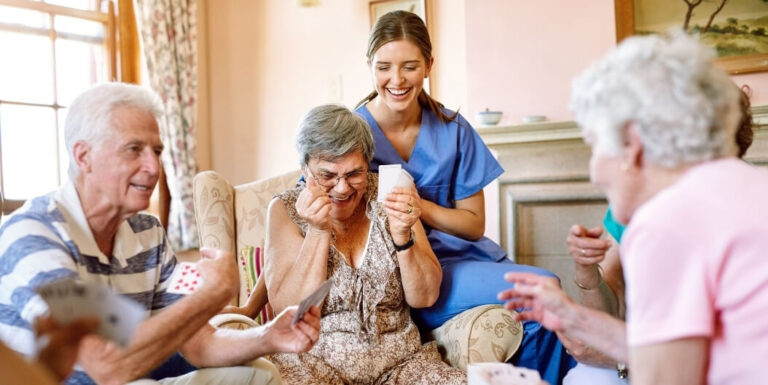
Common lounges, community dining rooms, and activity areas create daily opportunities for conversation and companionship. Whether residents are sharing a meal, attending a group activity, or simply enjoying a quiet moment in a shared space, these interactions help foster relationships and a sense of community.
Social connection is especially important for emotional health, and shared spaces make it easier to build friendships in a comfortable, relaxed setting.
Encouraging Daily Engagement and Routine
Shared spaces provide structure to the day without feeling restrictive. Residents can choose how and when they participate, creating a balance between independence and engagement. Visiting a common area for morning coffee, joining a group activity in the afternoon, or relaxing in a shared lounge in the evening adds a gentle rhythm to daily life.
This natural flow supports motivation and encourages residents to remain active and involved.
Promoting a Sense of Belonging
A strong sense of belonging contributes to overall happiness and emotional well-being. Shared spaces help residents feel connected to something larger than their private living area. When individuals recognize familiar faces, routines, and environments, it strengthens their sense of comfort and security.
Assisted living communities often design shared spaces to feel home-like rather than institutional. Warm furnishings, natural light, and thoughtfully arranged seating help create an inviting atmosphere where residents feel at ease spending time together.
Supporting Mental and Emotional Wellness
Mental stimulation is an essential part of healthy aging. Shared spaces often host activities that encourage cognitive engagement, creativity, and conversation. Group discussions, games, music programs, and educational events are typically held in these areas, making participation easy and accessible.
Even informal interactions, such as chatting with neighbors or observing daily activity, can provide mental stimulation. These experiences help reduce feelings of boredom and loneliness while supporting emotional wellness.
Encouraging Physical Movement and Activity
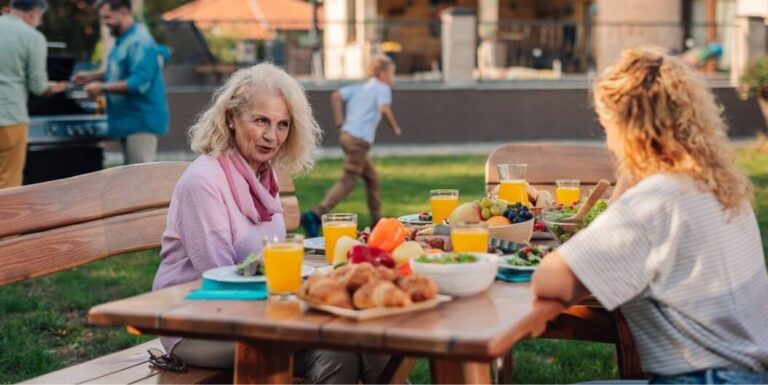
Shared spaces often extend beyond indoor areas to include outdoor courtyards, walking paths, and gardens. These spaces encourage gentle movement and time outdoors, which can positively impact physical and emotional health.
Spending time in a shared dining room, participating in a group activity, or walking in an outdoor setting area promotes mobility without feeling like exercise. These small, consistent movements contribute to overall wellness and help residents maintain independence.
Creating Opportunities for Family Connection
Shared spaces also benefit visiting family members and friends. Comfortable gathering areas provide welcoming places for visits, celebrations, and shared experiences. Rather than feeling confined to a private apartment, families can enjoy meals, activities, or quiet moments together in communal spaces.
These shared experiences help strengthen relationships and allow families to feel more connected to their loved one’s daily life within the assisted living community.
Enhancing Independence Through Choice
One of the key advantages of shared spaces is the freedom of choice they provide. Residents can decide when to engage socially and when to enjoy solitude. This balance supports independence while still offering access to connection and support when desired.
Having multiple shared spaces allows residents to choose environments that match their mood or interests, whether that means a lively activity area or a quiet lounge. This flexibility is especially valuable in assisted living communities, where personal autonomy remains a priority.
Why Shared Spaces Matter in Assisted Living Communities
The benefits of shared spaces in assisted living communities extend far beyond aesthetics. These environments support emotional well-being, social connection, mental stimulation, and physical activity. They help transform assisted living communities into vibrant, supportive places where residents can truly feel at home.
By encouraging interaction while respecting individual preferences, shared spaces play a critical role in enhancing daily life and overall satisfaction.
Ready to Live a Fun and Exciting Life in Your Retirement Years? Discover Community-Centered Living at Adante Assisted Living
Shared spaces are an essential part of a fulfilling assisted living experience. At Adante Assisted Living, thoughtfully designed shared spaces support connection, comfort, and meaningful engagement while respecting each resident’s autonomy. To learn more about assisted living options, or to experience the community in person, schedule a tour today and discover a welcoming environment designed for everyday living.